An Honest Review of WeRoam Training Camp by Someone Who Actually Went There
It took me a while to get around to writing about my experience at WeRoam training camp. I had intended to do so when I got home from that experience in summer of 2025, but various things prevented me from getting around to it. Having recently seen a new rush of ads for their camps, seeing comments on those ad, and reading some Reddit posts about it, I felt it was time to put a few of my words down in the event what I have to share might be useful to someone considering signing up.
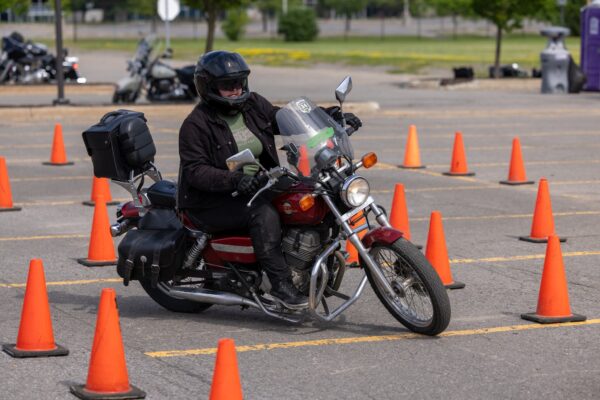
For context, here is a bit about me: I’ve been a street rider (cruiser style) for about 15 years. I’ve taken multiple advanced rider training courses including several with the Canada Safety Council, Motorcycle Masters, and Ride Like A Cop. No, I don’t generally do dirt (except when riding my cruiser on the country road to the cottage), but I do know how to handle two wheels (as long as those two wheels come with a seat height under 30 inches, and they are generally rolling on an actual road of some kind).
I was the second-oldest person at the camp. Most participants were in their 20s or 30s. I’m 56 years old, kinda fat, and a bit short at 5’4”, but I have never once dropped my cruiser. In my garage: a Honda Shadow 750, a Yamaha V-Star 650, and a Honda Rebel 250 (my first and still my favourite if I’m honest). Don’t diss my Rebel! I rode it from Ottawa to New Brunswick with luggage strapped to the back and it did the trip just fine.
I attended WeRoam training camp in July 2025. My intake interview was around July 2024, and I signed up on a monthly payment plan to attend the following summer.
The Interview Process
Signing up required a video interview with the owner beforehand. Honestly, I appreciate the idea of pre-vetting participants. Having participated in organizing group tours myself in the past, I completely understand the need to weed out assholes before trapping people together in remote locations for days at a time.
The interview covered my riding experience, fitness level, and what to expect at camp. The interaction itself was not exactly warm and fuzzy, but I didn’t get any specific negative vibes either. It was good enough that I decided to proceed.
At the time I signed up, training camp was optional before joining an expedition. Since I had never ridden dirt before, I figured it would be smart to at least learn the off-road basics before attempting to do it in another country far from home. I also wanted to know if the company was one that aligned with my style and values; to see if they were a good outfit that I wanted to try travelling with.
Spoiler alert: I was very glad I made the decision to test things out at camp.
The company has since made training camp mandatory before expeditions, and honestly, that makes complete sense. Their logic is that it gives the company a chance to evaluate the rider to see if they are a good fit to accept on an expedition. Even more critically, from my perspective, it gives riders a chance to evaluate not just the riding style, but also the company culture, staff dynamics, and overall experience before committing to, and paying handsomely for, international travel with them.
Before Camp: Monthly Meetings and Administrative Chaos
Before attending camp, members were invited to monthly video meetings. These mostly consisted of slide presentations containing updates from the owner about the business, upcoming expeditions, updates from recent trips, and Q&A sessions for people preparing for camp and/or expedition trips.
In theory, this was a nice idea.
In practice, scheduling for these meetings was a mess. Invitations were duplicated, cancelled, reissued, and changed repeatedly. My inbox filled up with meeting notices, cancellation notices, reschedule notices, more reschedule notices; it was unclear when and for what purpose any possible meetings where happening. There was a disconnection between email notices and text messages which looked like some kind of attempt at automated messages going awry. Over the course of a year, and right up to just before my scheduled camp, I was asked three or four times to sign their policy and waiver forms, because they did not have record that I had already done so. A Slack group was also set up, but it was poorly maintained. Messages disappeared after a certain amount of time unless you downloaded materials yourself, so useful reference information was constantly vanishing.
Business administration is clearly lacking. About two-thirds through my payment schedule, I was informed they had been charging me the wrong monthly amount and that my remaining payments would need to increase to compensate for their accounting error.
An extension workshop weekend with a guest instructor was advertised immediately following my scheduled camp. I attempted three times to register for it, only to eventually be told it had been cancelled.
None of that was exactly confidence-inspiring prior to arrival.
Readiness: Who This Camp Is Actually For
Here’s the biggest thing prospective participants need to understand: If you have zero dirt bike experience, I would not recommend this camp.
This training camp is not designed for beginner dirt bike riders.
I knew dirt riding would be different from street riding, but there was very little actual orientation for inexperienced off-road riders. The people who absolutely loved camp were the ones who already had dirt or off-road experience. The exercises and trail rides were clearly geared toward riders who already had a comfort level on those bikes and in that environment.
Honestly, WeRoam would be better off marketing this as an intermediate or advanced or off-road skills camp for existing dirt riders who want to play around, challenge themselves, and level up with other experienced riders.
I wish their marketing would stop referring to it as a motorcycle experience. It’s a dirt bike experience. They are not the same.
Do not expect patient handholding while you get comfortable on a bike with a seat height of 35 inches in the loose gravel. If you struggle or learn slowly, you will feel the instructors’ impatience. At least it wasn’t some guy mansplaining everything, but mild condescension is still condescension regardless of the gender delivering it.
The Camp Experience
Arrival and Accommodations
We were picked up at a hotel in Kelowna and driven about an hour to camp by minibus. The bus ride was actually a nice opportunity to start chatting with fellow participants and getting to know each other.
Oddly, though, there was no camp staff member at pickup to greet us. It was just a hired bus company.
The accommodations themselves were better than I expected for a remote camp in the BC Rockies. Yes, they are bunk-bed cabins with four people per room, and yes, it gets a bit cramped once you add suitcases and riding gear for four people. But the beds were surprisingly comfortable. Storing luggage under the beds, keeping shoes outside on the deck, and keeping riding gear in the garage area made it manageable.
Food: Technically Sustenance
There was food, and we ate it. That about sums it up.
It was not terrible enough to starve, but it certainly was not memorable in a good way either. Anyone with dietary restrictions or strong preferences should absolutely bring snacks. If you are picky about coffee or tea, bring your own. Bring electrolyte drinks too because dehydration is very possible.
You are far enough from civilization that Uber Eats is not happening. Stock up before camp if you want comforts. Pizza was brought in on the final night. It was impressively bad. Not even Pizza Pizza level edible. I wanted to assure the New Yorkers in the group who scoffed at “Canadian pizza” that what we ate was absolutely not representative of pizza everywhere in Canada.
One camp rule I thought was smart: no alcohol until the last night. Everyone appeared to respect that rule while I was there and that was a good thing.
The People
The Mechanic
The standout person at camp was the mechanic. She was amazing. Hardworking, knowledgeable, patient, encouraging, and an excellent teacher. She somehow managed the impossible workload of maintaining the fleet, fixing bikes on the fly during trail rides, teaching mechanics classes, and troubleshooting everyone’s problems while living out of a tiny camper trailer. Honestly, she seemed almost superhuman. I also found myself wondering how long she would realistically stay there because I highly doubt she is being paid anywhere near what she is worth. I am not sure she is still there a year later. I hope whoever replaces her is as awesome as she was.
Other Camp Staff
The staffing overall felt transient. The main ride leader during my session had originally attended camp herself, loved it, and then stayed on after taking temporary leave of absence from her regular job. It gave the impression that working there was partly a way for her to earn additional camp experiences.
There was another woman who also came out on trail rides with us, but whose role was basically “camp mom” as it was described to us (maybe a little sexist nomenclature for a group of women, but we got the point): handling meals, checking cabins, helping people settle in, troubleshooting any issues that came up. She was also a former camp participant turned employee.
Both of these women were personable and welcoming, and honestly, it felt like part of their official role was smoothing over the owner’s personality and warning newcomers about camp rules and quirks.
Medical Staff
The camp medic was a local firefighter who taught the first aid portion. She was knowledgeable and capable, and her role was to be the go-to person whenever injuries happened.
And injuries definitely happened.
We also had healthcare professionals among the participants, and they seemed to generally agree with the first aid information being presented, so while I’m no healthcare professional myself, I believe the medical information taught was valid.
While I was there, this medic was in the process of preparing to move to another province, so I have no idea how good the replacement medic is.
The Owner
This is probably the part people are most curious about. It has been noted by others in Reddit reviews that the owner comes across as cold, arrogant, and very full of herself. I can’t argue that this characterization is wholly inaccurate. She wasn’t a total asshole, but she does clearly play favourites and gravitates toward the already-skilled riders. If you are struggling or inexperienced, you will feel that difference. She makes an effort to encourage everyone, but it can come across as forced for those who aren’t progressing as quickly. Her impatience with different people at times was evident.
There are also some bizarre rules. One that still makes me shake my head was the insistence that nobody take photos facing toward her house. Like… really? Nobody is trekking into the middle of nowhere in the BC mountains to case your house for a future robbery. Most people probably could not find it again if they tried.
Overall, the whole operation has a strong “ego project” vibe. The pristine garage area is decorated with personal memorabilia such as the owners’ framed racing jerseys. The business feels less like a polished organization and more like an extension of the owner’s self-image.
Fellow Participants: The Best Part
The women attending camp were honestly the highlight of the experience. What an inspiring group!
Most were adventurous, interesting, funny, and genuinely supportive. Evening bonfires were great way to end our full days. Sitting around swapping stories, comparing bruises, laughing about our spills, and sharing and life experiences with a bunch of badass women was genuinely wonderful.
If I took away one truly positive thing from camp, it was meeting and spending time with them.
The Training
Riding Skills
Training included practice fields where we worked on manoeuvres like technical riding patterns (turns, figure 8s, the usual stuff), balance drills (one leg out, standing on pegs, etc.), hill starts and stops, steep descents, obstacles and going over logs and bumps, etc.
Then there were the daily trail rides; think logging roads, rocks, deep ruts, mud puddles, steep hills, loose gravel, and all kinds of obstacles.
You will fall. Everyone falls. It is dirt riding. Most falls hurt your pride more than your body (usually).
Mechanics Training
This was one of the best parts of camp.
Again, largely because of the mechanic instructor. She taught without assuming prior knowledge, made people feel comfortable asking questions, and walked us through tearing apart and rebuilding the bikes step by step.
Excellent classes!
First Aid Training
The emergency first aid sessions were informative and practical. We practised scenarios like rolling injured riders, wrapping injuries, and responding to emergencies.
This part felt useful and well-delivered.
Mapping and Navigation
This was a fail.
Participants were required to download a paid navigation app that we had not been warned about beforehand. Given the poor signal at camp, we should absolutely have been instructed to preload everything before arrival.
The app itself was unnecessarily complicated, and the instruction provided was nowhere near enough to get most participants functioning comfortably with it. It felt more like a frustrating puzzle challenge than a learning experience.
When Things Go Sideways
And they will.
Especially if you are new to dirt riding. Especially if you are short on very tall bikes (WeRoam camp uses Kawasaki KLX 300s which have a seat height of 35 inches). Especially if your foot lands in a rut instead of on solid ground.
Minor bruises and bumps are normal. But I also had some harder crashes.
On one trail ride, I took a nasty spill and slammed my head into the ground. My noggin remained uncracked thanks to my helmet; my neck muscles were less happy. Because I didn’t want to bother flying with my gear, my helmet was a rental from WeRoam; I have no idea if they replace them once they’ve been bashed around.
Then came my final crash on the second last day of camp. During our trail ride, the leader had just come on comms to warn us about nasty ruts ahead when my front and rear tires got pulled into competing ruts and down I went. I apparently let out some kind of ridiculous girl scream on the way down because everyone heard it over comms.
Wanting to reassure people, I called out, “I’m okay, just give me a minute,” while mentally checking whether all my body parts were still attached and functional. I ended up wrapped around the bike, half laughing and half crying at the same time. My laughter was reassuring enough that one teammate who had been behind me in formation asked if she could snap my photo, so of course, I gave a thumbs up for the pic.
Once I felt ready to move, the group helped untangle me from the bike. At first, I thought maybe I had broken a nail (really, who wears false nails to a dirt bike training camp?? Stupid me – that’s who). I pulled off my glove expecting the fingernail to come off with the glove, but seeing it still intact, I joked “look, didn’t even break a nail” as my thumb on my throttle hand started to turn dark purple and swell up like a bratwurst sausage.
At that point, in the back of my mind, I was trying to figure out how I could maintain a sliver of dignity (not a chance!) while finding a way of not having to get back on the bike without looking like a total wuss, when the ride leader announced that the handlebars were badly bent and the bike wouldn’t be going anywhere without some realignment. Oh, good, I would totally have got back on and finished the ride, but the bike can’t take any more today.
We tossed the bike into the bush to be retrieved later and I followed the rest of the ride out and back again in the ATV. When we returned, I was given an ice pack for my thumb, and watched it grow larger and darker while the medic told me it was up to me if I wanted to take the one hour drive to Kelowna hospital to have it looked at. Eventually one of our group members who is a healthcare professional in an emergency room took one look and immediately said: “You look like you have an interphalangeal fracture. You need to go to the hospital.” She was right.
After waiting about another hour for transportation into Kelowna, I was diagnosed with multiple fractures. Initially they identified two breaks in the thumb. Later imaging back home also revealed a third fracture in the scaphoid bone of my wrist. I was surprised that I hadn’t also damaged something in my shoulder or ribs on the opposite side, because that actually hurt more than my broken bones, but it turns out that was just some soft tissue complaining about hitting the ground (they did x-ray that side to confirm; it cleared up after a few weeks of physio and acupuncture).
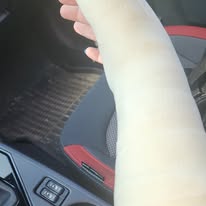
I spent three months in casts and nearly a year in physiotherapy for my thumb and wrist. Even now, my thumb still does not fully bend the way it used to, and probably never will.
For the record, I absolutely don’t blame WeRoam for that. Riding of any kind comes with inherent risks. I knew that, accepted it, and the consequences of my own decision to participate in a risky activity are mine to deal with.
The Final Expedition Ride
Because of my cast, I could not participate fully in the final expedition-style “mission” and instead followed the group in the support ATV. Another rider injured her ankle during that final ride and also ended up finishing the last day in the ATV. With some of the spills I witnessed on that final trek, I’m surprised we didn’t end up with one or two more in the ATV with us (it would have been crowded!).
Honestly, even without the broken bones, I do not think I could have completed that ride anyway. It lasted roughly 10 to 12 hours and included extremely technical terrain that challenged even the strongest riders. Watching from the support vehicle, I wondered how the ATV itself was even managing some of the terrain.
If that final ride reflects the nature of their actual expeditions, then I learned something important: That style of off-road riding simply is not for me.
Participants are given a report card afterwards which tells them what level of expedition they are cleared for; I got level 1 (so, basically passing, but at the lowest level). I did get honourable mention for having a great attitude, though. I guess if you can laugh and smile through a broken bone, it means you have a good attitude.
My Personal Verdict
At first, after returning home, I found myself wanting to go back and try again. But after reflecting honestly, I realized that urge had more to do with my own personality and dislike of unfinished business than any overwhelming desire to return to WeRoam specifically.
I like adventure. I like challenge. I have always has a touch of a thrill-seeking dare devil in me, but I may just be getting old now. I do not enjoy crawling over rocks and slogging through extreme technical dirt terrain for extended hours on end.
I like pavement (or least a proper road of some sort with decently packed dirt or gravel). I like appreciating the scenery as I move past at a leisurely pace. I like the wind, the smells of the road, and the feeling of gliding through beautiful landscapes on two wheels. I like all that for a maximum of six or eight hours a day (with regular breaks throughout to save my back and butt), after which I like a nice meal (maybe with a glass of wine), putting my feet up, relaxing with a book, and sleeping a nice comfy bed.
And that is okay.
I am genuinely glad I attended training camp because it helped me confirm what kind of riding experiences I actually enjoy, and what kind I do not enjoy. For me, that was one of the main purposes of taking the training camp; to decide if that style of riding was something I would enjoy or not. Now I know. The camp experience saved me from spending significantly more money on an overseas expedition that I almost certainly would not have enjoyed.
Final Thoughts
The concept behind WeRoam is fantastic. A women-focused adventure riding community has enormous potential. But the execution, at this stage at least, has some flaws.
The business administration feels disorganized. The atmosphere revolves heavily around the owner’s personality. Acceptance feels dependent on riding skill. The pricing is hard to justify, especially given that this is a Canadian company charging in US dollars, which frankly feels offensive.
For experienced dirt riders looking to push themselves, play hard, and sharpen advanced dirt-riding skills with other women, this could absolutely be a good fit.
For newer off-road riders hoping for supportive beginner instruction and gradual confidence-building? Probably not.
A little collection of photos related to this post
Doing patterns with Motorcycle Masters on my Rebel
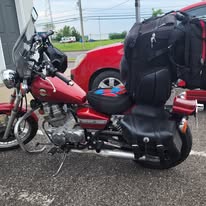
Yes, a 250 can do a 1000KM road trip fully loaded with luggage
My Shadow
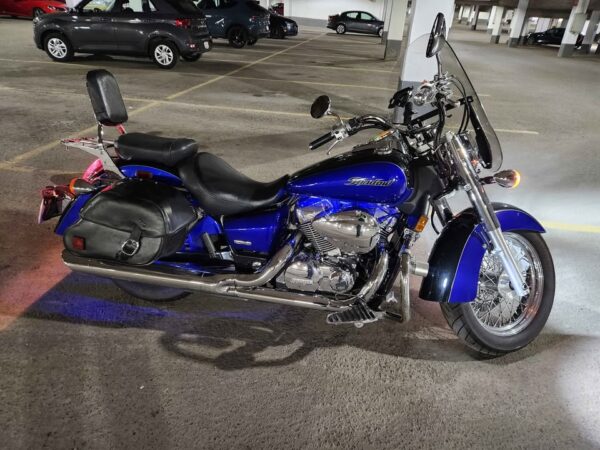
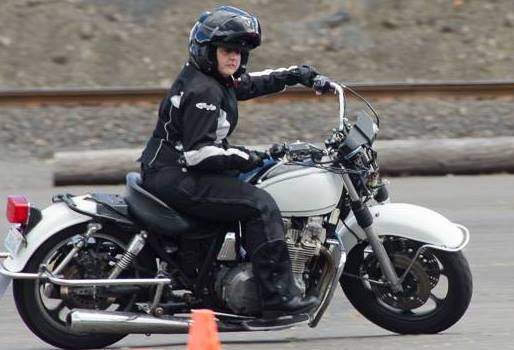
Ride Like a Cop weeklong on a Kawasaki 1100 decommissioned police motorcycle
I’m better with 4 wheels when off-road (in the desert in Tunisia for this one)
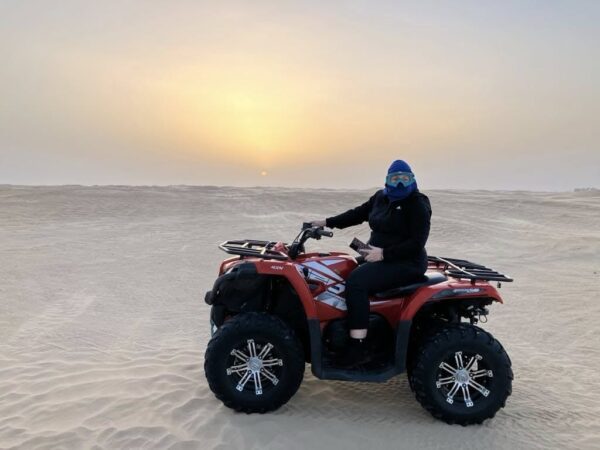
Kawasaki KLX300s are tall for me
I’m ok, I’m ok!
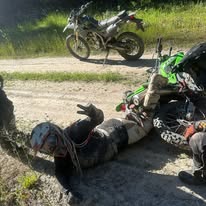
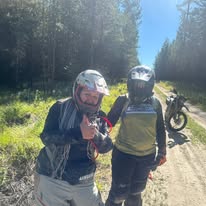
The thumb is moving, it must be ok
Didn’t even break a nail (just a bone or three)
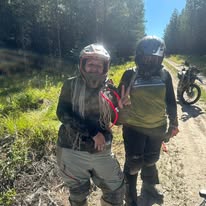
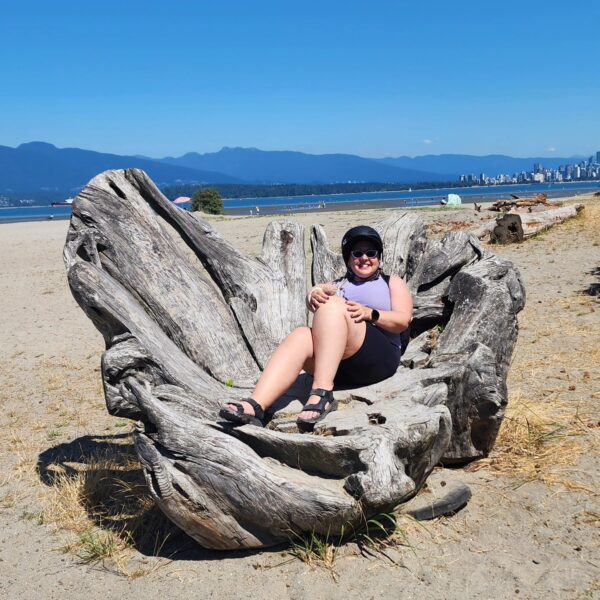
Fortunately you can still bicycle with a temporary cast on, so it didn’t interfere too much with my subsequent vacation days in Vancouver after the camp
Those new fibreglass casts are lightweight, but scratchy. This replaced the bulky temporary one the Kelowna hospital gave me, and stayed on for 2 additional months